
Medically reviewed by Dr. Sumit Sethi, MBBS, MD (Dermatology, Venereology & Leprosy), DNB (Dermatology & Venereology), Consultant Dermatologist, DermaStation, Janakpuri, New Delhi. Last updated: 25 November 2026.
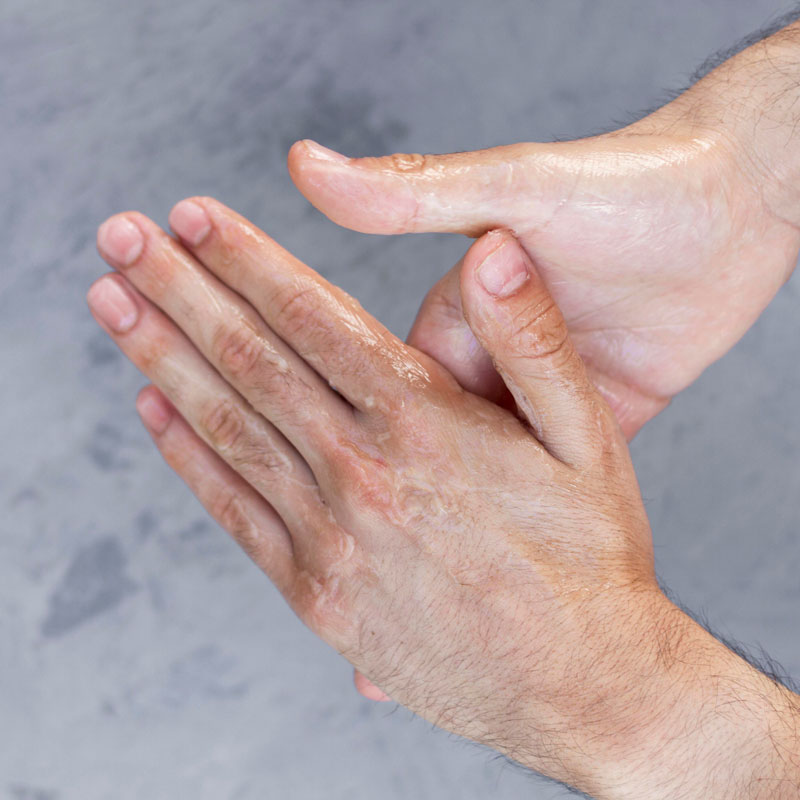
Hyperhidrosis is a medical condition in which the body sweats much more than it needs to for cooling. It commonly affects the palms, soles, underarms and face, and can make everyday tasks like shaking hands, writing or wearing light-coloured clothes stressful. The good news is that it is treatable. Options range from prescription-strength antiperspirants and iontophoresis to injection-based treatment and other clinic procedures.
This guide explains the types and causes of excessive sweating, when it needs a medical check-up, and the treatment options a dermatologist may recommend.
At a glance
- Hyperhidrosis is a real medical condition, not a hygiene issue.
- Primary hyperhidrosis usually starts young and affects the palms, soles, underarms or face on both sides.
- Secondary hyperhidrosis is caused by another condition or medicine and needs that cause checked.
- Treatment follows a step-by-step plan, starting with the simplest options.
- Iontophoresis is a safe, drug-free option for sweaty palms and feet.
What is hyperhidrosis?
Sweating is the body’s natural cooling system. In hyperhidrosis, the sweat glands are overactive and produce sweat even when you are not hot, exercising or anxious. Medical reviews estimate that primary hyperhidrosis affects around 2 to 3% of people, though many never seek treatment.
In Delhi’s hot, humid summers, excessive sweating can be even harder to manage, and it can lead to skin problems such as fungal infections, body odour and soggy, peeling skin on the feet.
Types of hyperhidrosis
| Type | Common features | Usual cause |
|---|---|---|
| Primary (focal) hyperhidrosis | Starts in childhood or teens; affects palms, soles, underarms or face; both sides equally; usually little or no sweating during sleep; often runs in families | Overactive sweat glands; no underlying disease |
| Secondary (generalised) hyperhidrosis | Often starts in adulthood; may affect the whole body; may occur at night | Another condition, such as thyroid problems, diabetes, infections, menopause, or a side effect of some medicines |
Read more about sweating of the hands and feet in our guide on palmoplantar hyperhidrosis.
When to see a doctor
See a dermatologist if sweating:
- Interferes with work, studies, writing or social life
- Causes skin problems such as rashes, infections or peeling
- Has lasted for 6 months or more
See a doctor promptly if you have night sweats, sudden new sweating, weight loss, fever, or sweating with chest pain or a racing heart. These need a general medical check-up to look for an underlying cause.
Treatment options: a step-by-step approach
Dermatologists usually start with the simplest, safest option and move up only if needed.
| Step | Treatment | Best for | What to know |
|---|---|---|---|
| 1 | Prescription-strength antiperspirants | Underarms, palms, soles | Applied at night on dry skin; may cause mild itching or irritation at first |
| 2 | Iontophoresis | Palms and soles | Hands or feet sit in shallow water while a mild electric current passes through; drug-free and well tolerated |
| 3 | Injection-based treatment | Underarms, palms, soles | Temporarily blocks the signals that switch on sweat glands; results usually last several months |
| 4 | Oral medicines | Widespread sweating | Prescribed only after assessment; may cause side effects such as dry mouth |
| 5 | Other procedures | Severe underarm sweating | Considered only in selected cases after other options; your doctor will explain the benefits and risks |
How iontophoresis works
Iontophoresis is one of the most effective options for sweaty palms and feet. You place your hands or feet in trays of tap water, and a gentle electric current is passed through the water for 20 to 30 minutes. This is thought to temporarily reduce sweat gland activity.
- Sessions are usually done several times a week at first, then less often for maintenance.
- Most people notice a clear reduction in sweating within a few weeks.
- It is drug-free and has no long-term side effects, though it is not suitable during pregnancy or for people with pacemakers or metal implants.
Learn more in our guides on iontophoresis treatment for excessive sweating and digital iontophoresis for sweaty palms and feet.
Daily tips to manage excessive sweating
- Wear breathable fabrics like cotton and linen, and choose darker or patterned clothes in summer.
- Change socks often and rotate shoes so they dry fully.
- Use absorbent insoles and sweat pads for clothing.
- Keep feet and skin folds dry to prevent fungal infections. See our tips on preventing fungal infections.
- Notice your triggers, such as spicy food, caffeine, heat or stress.
What affects the cost of hyperhidrosis treatment in Delhi?
- Type of treatment chosen
- Area treated: underarms, palms, soles or face
- Number of sessions and maintenance plan
- Home or clinic-based iontophoresis
The exact cost is shared after an assessment. See our hyperhidrosis treatment in Delhi page for details.
Frequently asked questions
Yes. Hyperhidrosis is a recognised medical condition in which sweat glands are overactive. It is treatable.
Conclusion
Excessive sweating is common, real and treatable. Most people improve with simple steps such as prescription-strength antiperspirants or iontophoresis, and other treatments are available when needed. If sweating affects your daily life, a dermatologist can find the cause and build the right plan for you.
Tired of sweaty palms or underarms? Book a consultation with Dr. Sumit Sethi at DermaStation, Janakpuri.
This article is for general information only and does not replace a medical consultation. Results vary from person to person.
Medical review and sources
Medically reviewed by Dr. Sumit Sethi, MBBS, MD (Dermatology, Venereology & Leprosy), DNB (Dermatology & Venereology), Consultant Dermatologist, DermaStation.
- Hyperhidrosis. StatPearls, NCBI Bookshelf.
- Hyperhidrosis: management options. American Family Physician, 2018.
- Current and emerging treatments for hyperhidrosis. PMC, 2017.
- Management of primary hyperhidrosis: a summary of the different treatment modalities. Am J Clin Dermatol, 2003.