
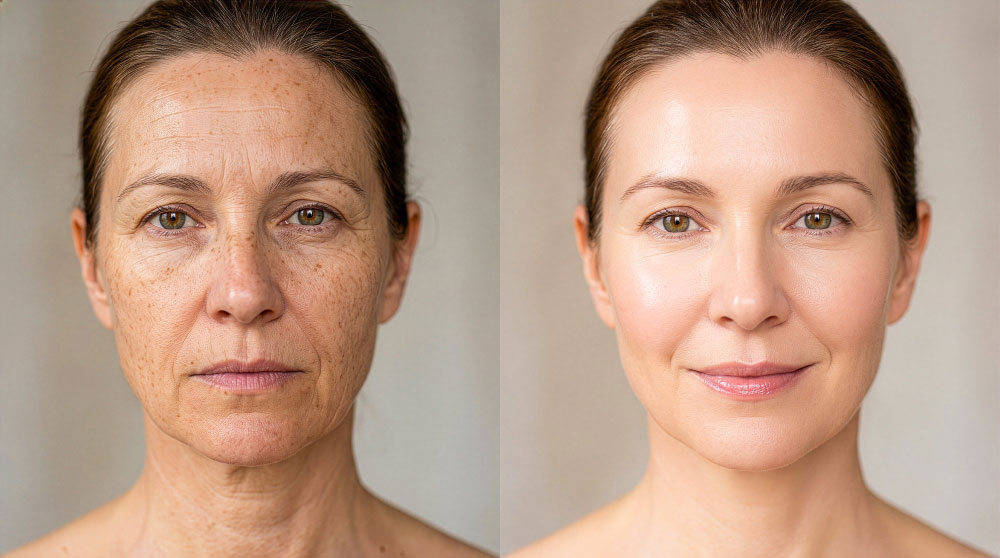
Dark patches, acne marks, tanning or an uneven skin tone can be frustrating, especially when they do not seem to go away easily. There are many reasons why pigmentation can occur, which means that a treatment that works for one person may not work for another.
A dermatologist will first assess the type and severity of the pigmentation, your skin type and potential triggers to recommend a treatment. Treatment options depend on the concern and may include chemical peels, laser-based procedures, microneedling or other skin treatments.
Why Does Pigmentation Develop?
Pigmentation is when the skin produces too much melanin, the pigment that gives your skin color. It can present itself as melasma, freckles, sunspots, age spots or pigmentation leftover from inflammation of the skin. There are several reasons for that. They include hormonal changes, aging, genetics and some endocrine disorders. Pigmentation can also be caused by sun exposure, skin injuries, allergies and reactions to some medicines.
This is why using a home remedy or random brightening product may not always work. Sometimes, the problem is made worse by further irritating the skin.
Which Pigmentation Treatments Do Dermatologists Recommend?
There is no single treatment that is right for everyone. Below are a few options your dermatologist may suggest you depending on your pigmentation and skin.
Laser Toning
Laser toning uses a Q-switched Nd:YAG laser to target melanin deposits in the skin. The pigment is broken down and is gradually cleared by the body. It may help improve sunspots, age-related spots and uneven skin tone. For melasma, a dermatologist may sometimes recommend it along with other treatments. The number of sessions can vary depending on the type and extent of pigmentation.
Chemical Peels
Chemical peels use specially selected acids to exfoliate the skin. They help remove the pigmented, damaged or dull outer layers and encourage fresher-looking skin underneath. Depending on the peel and the concern, they may be used for acne marks, melasma, sunspots, age spots, dullness and uneven skin tone. The strength of the peel is selected according to the person’s skin and needs.
Hollywood Facial
A Hollywood facial combines carbon treatment, Q-switched laser technology, a rejuvenating peel and a face mask. It gently exfoliates the skin and may help improve mild pigmentation, dullness and uneven skin tone. A series of around 4 – 6 sessions may be recommended and there is generally no significant downtime.
Microneedling
Microneedling is a procedure that involves the use of fine needles to produce controlled micro-injuries to the skin. It boosts collagen production and can also help to improve the texture of scars and uneven skin tone. It can be used for pigmentation problems such as melasma and for pigmentation associated with scars. You may have some redness or sensitivity after the procedure.
Carbon Laser Peel
A carbon laser peel is the application of a medical-grade carbon preparation followed by laser treatment. The carbon absorbs oil, impurities and dead skin and the laser removes the buildup and stimulates collagen. It is beneficial for mild acne marks, tanning and uneven skin tone. A mild redness may occur but usually is limited in extent.
Intense Pulsed Light (IPL)
IPL treatments utilize broad spectrum light to aim for the melanin in the skin. It is used for concerns related to sun damage, freckles, age spots, redness, melasma and uneven skin tone. The number of sessions can vary and some people may experience temporary skin changes such as redness.
Microdermabrasion
Microdermabrasion is a procedure that uses abrasive crystals or a diamond-tipped device to exfoliate the outer layer of skin. Loosened dead skin and build-up are then brushed off. It can assist with superficial hyperpigmentation, dullness and uneven skin texture. After the procedure, some slight redness or sensitivity may occur.
Other Dermatologist-Selected Options
Depending on the concern, a dermatologist may also recommend treatments such as mesotherapy, which involves delivering a combination of ingredients into the skin or specialized peels for pigmentation around the eyes.
For mild pigmentation and dull-looking skin, customized skin treatments may also be considered. At DermaStation, pigmentation care includes options such as chemical peels, microneedling, microdermabrasion and other aesthetic and laser treatments depending on the patient’s concern.
Why Should Pigmentation Be Treated by a Dermatologist?
Pigmentation may look like a simple cosmetic problem, but its cause can vary considerably. A dermatologist can assess your skin, identify the type of pigmentation and decide which treatment is appropriate. Dr. Sumit Sethi is a dermatologist and cosmetic dermatologist at DermaStation and at his clinic he provides treatments for pigmentation problems and related concerns like hyperpigmentation, melasma and dark circles.
The treatment plan may consist of one procedure or a combination of treatments. The goal is not to lighten the skin but to treat the specific pigmentation problem taking into account your skin type and how your skin responds to treatment.
Why Book an Appointment with Dr. Sumit Sethi at DermaStation for Pigmentation?
Pigmentation can be stubborn and difficult to treat yourself. Getting the cause assessed before initiating treatment can help you avoid trying products or procedures that may not suit your skin. Dr. Sumit Sethi performs dermatology and aesthetic treatments for pigmentation, melasma and uneven skin tone at DermaStation. Treatments available at the clinic include chemical peels, microneedling, microdermabrasion and laser-based options depending upon the concern.
Clearer skin starts with the right diagnosis.