
Hey everyone, Dr. Sumit Sethi here from DermaStation clinic in Janakpuri. Today, we’re diving deep into a topic that often sparks a lot of questions in my clinic: the role of diet in managing Hidradenitis Suppurativa (HS).
For those living with HS, a chronic and often painful inflammatory skin condition, finding effective ways to manage symptoms is a constant journey. While medications and lifestyle changes are crucial, there’s growing evidence, much of it highlighted in reputable journals, suggesting that what you eat can play a significant role. Let’s break down how your plate might impact your HS.
The Gut-Skin Connection: More Than Just a Hunch
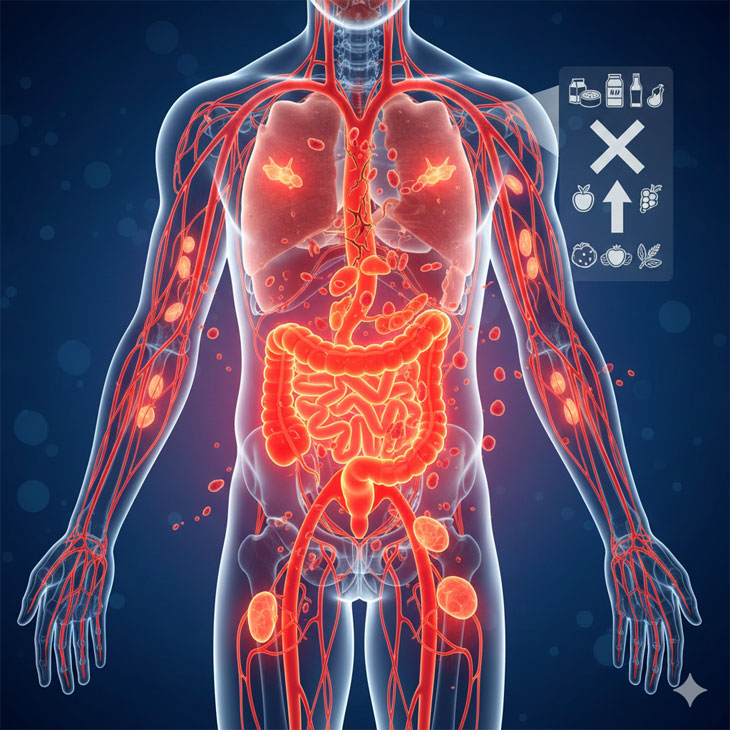
We’ve long understood that chronic inflammatory disorders, like HS, aren’t just localised issues. They often involve systemic inflammation, and guess where a major player in that inflammation resides? Your gut!
- Leaky Gut Syndrome (Increased Intestinal Permeability): Imagine your gut lining as a finely woven net, allowing nutrients in but keeping toxins out. In some inflammatory conditions, this net can become “leaky,” allowing undigested food particles and harmful substances to slip into your bloodstream. This can trigger an immune response and worsen systemic inflammation, potentially impacting your HS.
- The Microbiome Matters: Billions of bacteria, fungi, and other microbes call your gut home. This intricate community, known as the microbiome, plays a vital role in immune regulation. An imbalance in your gut microbiome (dysbiosis) can contribute to inflammation and potentially exacerbate HS symptoms.
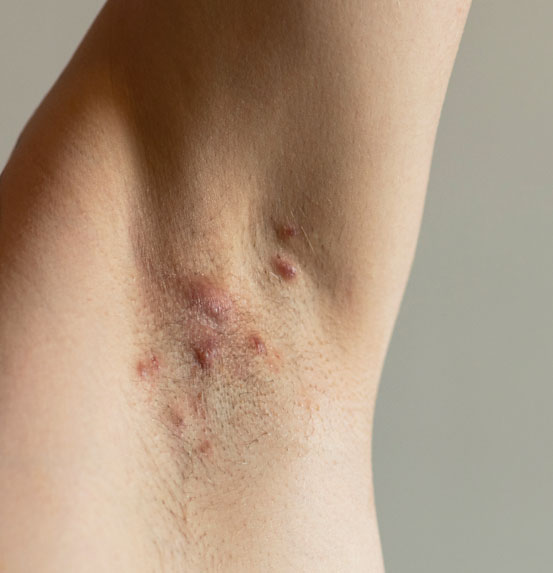
Dietary Culprits: What Might Be Triggering Your HS?
Research from reputed journals has shed light on several dietary factors that may influence HS. While individual triggers can vary, here are some common areas of focus:
Dairy Products:
- The Evidence: Several studies suggest a link between dairy consumption and HS flares. The hormones and growth factors present in milk (like IGF-1) are thought to potentially stimulate the skin’s oil glands and contribute to inflammation.
- What to Consider: Try a dairy elimination diet for a period (e.g., 4-6 weeks) to see if your symptoms improve. This means avoiding milk, cheese, yogurt, and other dairy-containing foods.
- Alternatives: Explore plant-based milk alternatives like almond, soy, or oat milk.
Sugary and High Glycemic Index Foods:
- The Evidence: Foods that cause rapid spikes in blood sugar (think white bread, sugary drinks, processed snacks) can increase insulin levels. High insulin can, in turn, increase inflammation and potentially worsen HS.
- What to Consider: Reduce your intake of refined sugars and processed carbohydrates.
- Alternatives: Opt for whole grains, fruits, and vegetables for sustained energy and better blood sugar control.
Brewer’s Yeast and Gluten:
- The Evidence: Some patients with HS have anecdotally reported improvement with the elimination of brewer’s yeast (found in beer and some fermented foods) and gluten. This area requires more research.
- What to Consider: If you suspect these might be triggers, a trial elimination can be considered under dermatological guidance.
- Alternatives: Explore gluten-free grains and yeast-free alternatives.
Nightshade Vegetables (Potatoes, Tomatoes, Peppers, Eggplant):
- The Evidence: This is a controversial area, with limited scientific evidence directly linking nightshades to HS. However, some individuals with inflammatory conditions report sensitivity.
- What to Consider: This is a highly individualised approach. If you notice a consistent flare after consuming nightshades, a trial elimination might be warranted, but it’s not a universal recommendation for all HS patients.
Here is a medical illustration showing the connection between gut health and systemic inflammation in Hidradenitis Suppurativa.