
Medically reviewed by Dr. Sumit Sethi, MBBS, MD (Dermatology, Venereology & Leprosy), DNB (Dermatology & Venereology), Consultant Dermatologist, DermaStation, Janakpuri, New Delhi. Last updated: 19 November 2026.
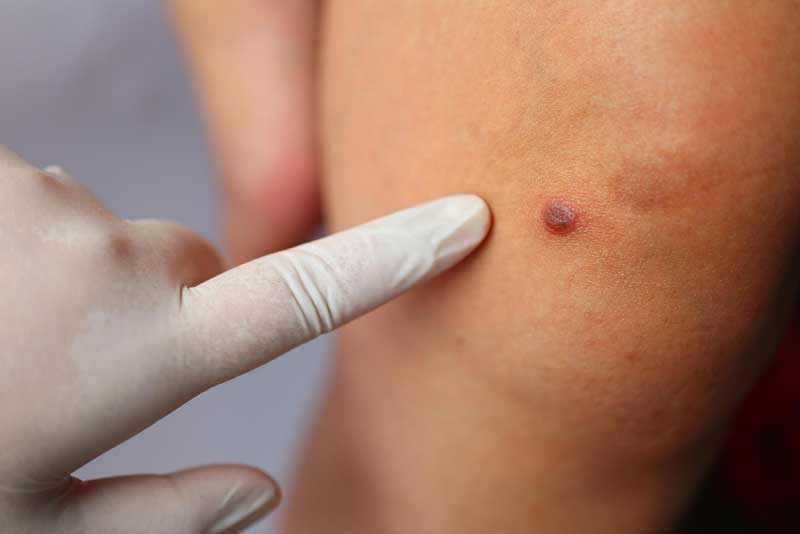
Warts, skin tags and moles are three of the most common skin growths, and they are often confused. Warts are rough, firm bumps caused by a virus and can spread. Skin tags are soft, skin-coloured flaps that hang from the skin, usually in folds like the neck and underarms. Moles are brown or black spots made of pigment cells, and most are harmless. A mole that changes in size, shape or colour should always be checked by a dermatologist.
This guide helps you tell them apart, explains when to see a doctor, and covers safe ways to remove them.
At a glance
- Warts are caused by a virus, feel rough and can spread to other areas or people.
- Skin tags are soft, harmless growths, common on the neck, underarms, eyelids and groin.
- Moles are usually harmless, but changing moles need prompt checking.
- Do not cut, tie or burn growths at home. This risks infection, bleeding and scarring, and can delay diagnosis of a serious growth.
- Removal is quick in a dermatology clinic, usually in a single short visit.
How to tell them apart
| Feature | Wart | Skin tag | Mole |
|---|---|---|---|
| Feel | Firm, rough surface | Soft, smooth, squishy | Flat or slightly raised, smooth |
| Colour | Skin-coloured, greyish or darker; may show tiny black dots | Skin-coloured or slightly darker | Brown, black or tan |
| Shape | Raised bump or flat patch | Small flap hanging on a thin stalk | Round or oval spot |
| Common places | Hands, fingers, feet, face, knees | Neck, underarms, eyelids, groin, under the breasts | Anywhere, often sun-exposed skin |
| Cause | Human papillomavirus (HPV) infection | Skin rubbing against skin; more common with weight gain and with age | Clusters of pigment cells |
| Spreads? | Yes, by touch and shared items | No | No |
Warts: what you should know
Warts are caused by certain types of human papillomavirus (HPV). They spread through direct skin contact and shared items like towels, razors and footwear, and are more likely to spread when skin is wet or damaged. Types include common warts on hands, flat warts on the face, and plantar warts (verrucas) on the soles of the feet, which can feel like walking on a pebble.
Warts on the genitals are a separate condition and need a specialist assessment. Read more in our guide on warts and verrucas.
Skin tags: what you should know
Skin tags (also called acrochordons) are harmless and do not turn into cancer. They usually appear where skin rubs against skin or clothing. Many people remove them because they catch on jewellery or collars, become irritated, or for appearance. Several skin tags appearing together can sometimes be linked to weight gain or blood sugar changes, so your doctor may suggest a simple check-up. Read more about skin tag removal in Janakpuri.
Moles: when to get them checked
Most moles are harmless. Dermatologists use the ABCDE guide to spot moles that need checking:
- A – Asymmetry: one half looks different from the other.
- B – Border: the edge is irregular, jagged or blurred.
- C – Colour: there are several shades, such as brown, black, red, white or blue.
- D – Diameter: it is larger than about 6 mm (the size of a pencil eraser), though worrying moles can be smaller.
- E – Evolving: it is changing in size, shape, colour or height, or starts to itch or bleed.
If a mole shows any of these signs, see a dermatologist promptly. They will examine it with a dermoscope and may remove it for a laboratory test.
Why you should not remove them at home
Tying thread around a skin tag, cutting a wart, or applying acids, garlic or toothpaste may seem easy, but it can cause:
- Infection and bleeding, especially from larger skin tags
- Scarring and dark marks, which are common on Indian skin
- Spreading warts to nearby skin or other people
- Missed diagnosis, because a growth that looks harmless may need a laboratory test
A dermatologist can confirm what the growth is and remove it safely with minimal marks.
Safe removal options at a dermatology clinic
| Method | How it works | Often used for |
|---|---|---|
| Radiofrequency or electrocautery | A fine probe uses controlled heat to remove the growth and seal the skin | Skin tags, warts, some raised moles |
| Cryotherapy | Freezing destroys the growth, which falls off in 1 to 2 weeks | Warts |
| Laser | Light energy vaporises or destroys the growth | Warts, some skin tags |
| Snip or shave removal | The growth is removed under local numbing | Skin tags, raised moles |
| Surgical excision | The growth is removed with a small margin and stitched; tissue can be sent for testing | Suspicious or deep moles |
Learn more about these procedures on our dermatosurgery page.
What recovery looks like
- The area is numbed first, so the procedure is usually painless.
- A small scab forms and falls off in about 5 to 10 days.
- Keep the area clean and dry, and follow your doctor’s dressing advice.
- Use sunscreen on healed skin to reduce dark marks.
- Warts can come back because the virus may stay in the skin, so more than one session is sometimes needed.
What affects the cost of removal in Delhi?
- Number of growths being removed
- Size and location, for example near the eyes
- Removal method used
- Whether a laboratory test is needed
The exact cost is shared after examination. See our wart treatment in Delhi and skin tag treatment in Delhi pages for details.
Frequently asked questions
Warts are firm and rough and are common on hands and feet. Skin tags are soft, smooth and hang from the skin, usually in folds like the neck and underarms.
No. Skin tags are harmless and do not turn into cancer. People remove them mainly for comfort or appearance.
Yes. Warts are caused by a virus and can spread to other parts of your body or to other people through touch and shared items.
The area is numbed first, so most people feel little or no pain during removal.
A removed skin tag does not grow back, but new ones can form in the same areas over time.
See a dermatologist if a mole is new after age 30, changes in size, shape or colour, has an irregular border, or starts to itch or bleed.
Conclusion
Warts, skin tags and moles look different and need different care. Warts can spread, skin tags are harmless, and changing moles need prompt attention. Avoid home removal: a quick visit to a dermatologist gives you the right diagnosis and safe removal with minimal marks.
Have a growth you want checked or removed? Book a consultation with Dr. Sumit Sethi at DermaStation, Janakpuri, serving West Delhi.
This article is for general information only and does not replace a medical consultation. Results vary from person to person.
Medical review and sources
Medically reviewed by Dr. Sumit Sethi, MBBS, MD (Dermatology, Venereology & Leprosy), DNB (Dermatology & Venereology), Consultant Dermatologist, DermaStation.
- NHS. Skin tags.
- NHS. Warts and verrucas.
- American Academy of Dermatology. What to look for: ABCDEs of melanoma.
- CDC.